There are days in homeschooling where everything just feels harder than usual.
Maybe you’re sick.
Maybe younger siblings need more attention than usual.
Maybe you’re just mentally tired and trying to keep things moving without burning out.
And the tricky part? You might still have weeks (or months) left in your homeschool year.
If you’ve ever felt like you’re just trying to get through the day, you’re not alone.
The good news is you don’t need to scrap your whole routine or overhaul your plans.
Have you ever heard of the spoon theory? Spoon theory is a metaphor for managing a limited daily supply of energy (spoons) for people living with chronic illnesses or disabilities.
Living in a neurodivergent household means I am constantly balancing the needs of my family based on the number of spoons they (and I) have available. Some days everything comes easy and we fly through our to-do list. Other days, I wonder how we will get any learning done at all.
On days like these, I like to think in terms of energy levels. It’s a way to acknowledge the situation, meet yourself where you are, and still keep learning going.
Instead of trying to push through the same plan every day, I adjust our approach based on how much energy we actually have, and I want to share some simple ideas for each level with you!
Energy Level 1:
Survival Mode (Independent + Low Prep)
This is the bare minimum kind of day.
You’re not able to be very involved, and you need your kids to work more independently while you manage everything else.
The goal here isn’t perfection, it’s keeping things going in a simple, realistic way.
Ideas:
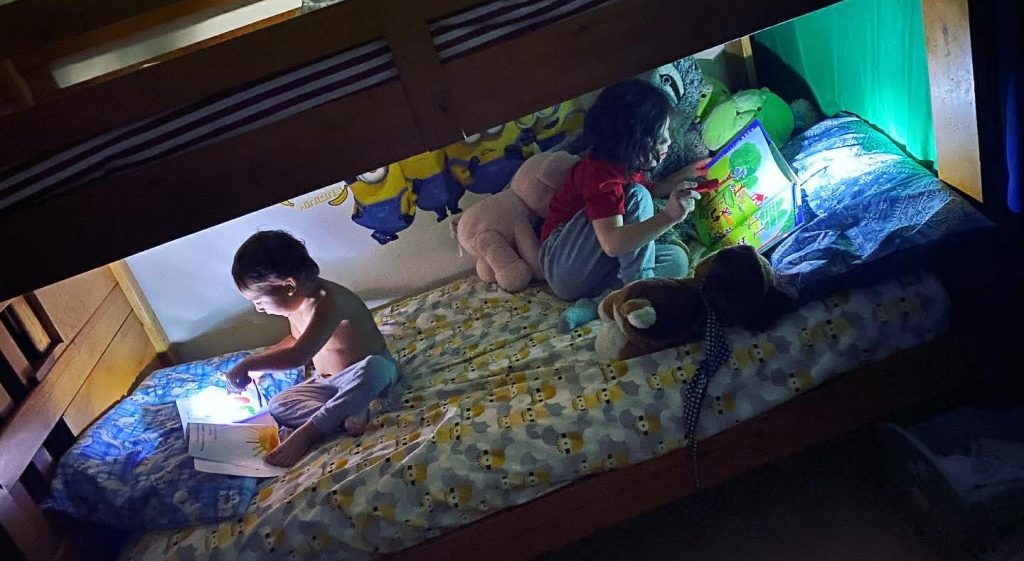
- Read in the dark with a flashlight
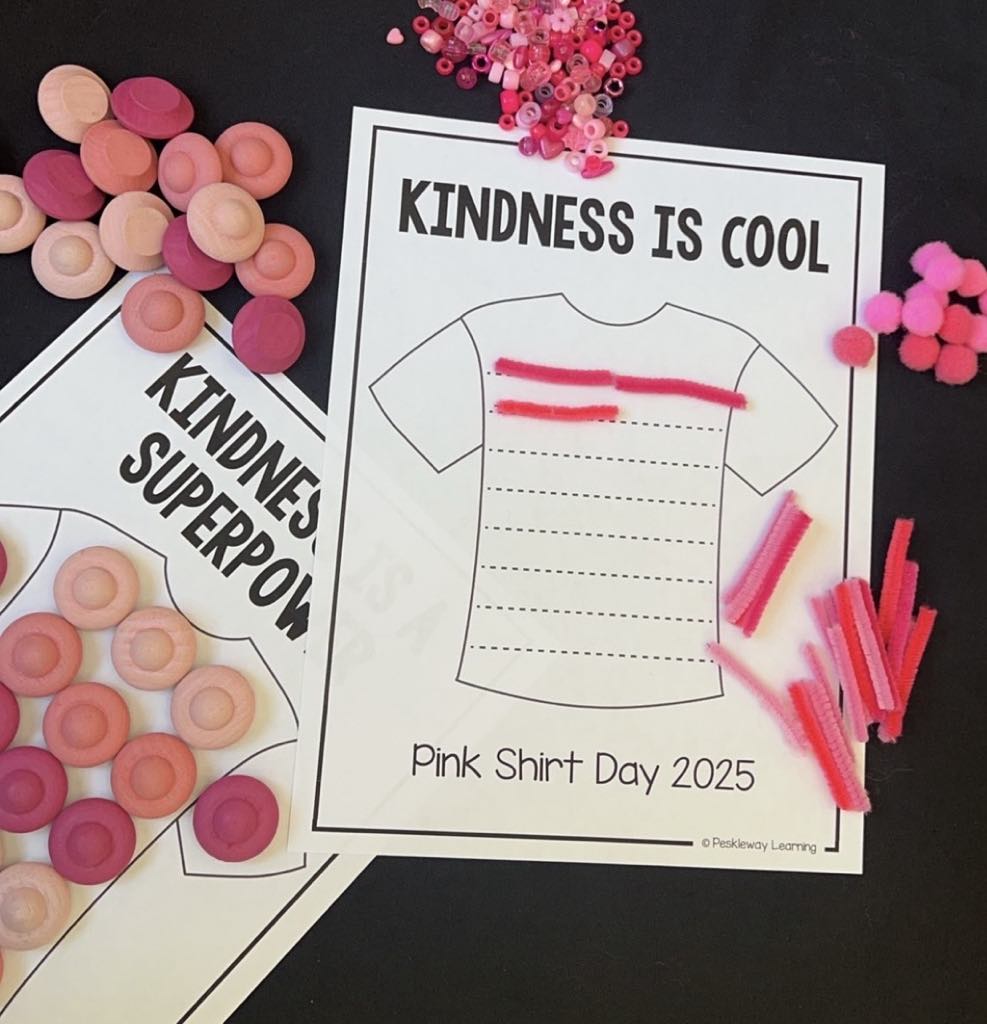
- “Color” a picture using beads, pompoms, or other small parts
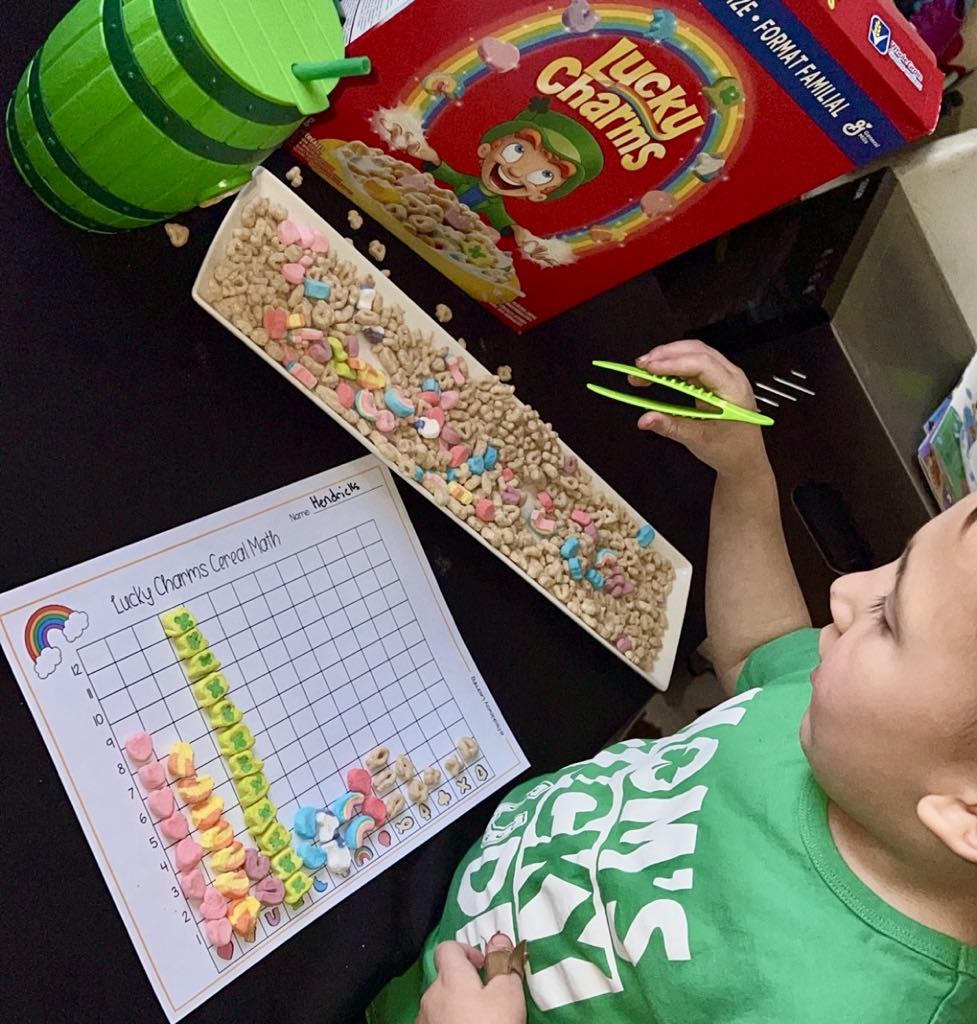
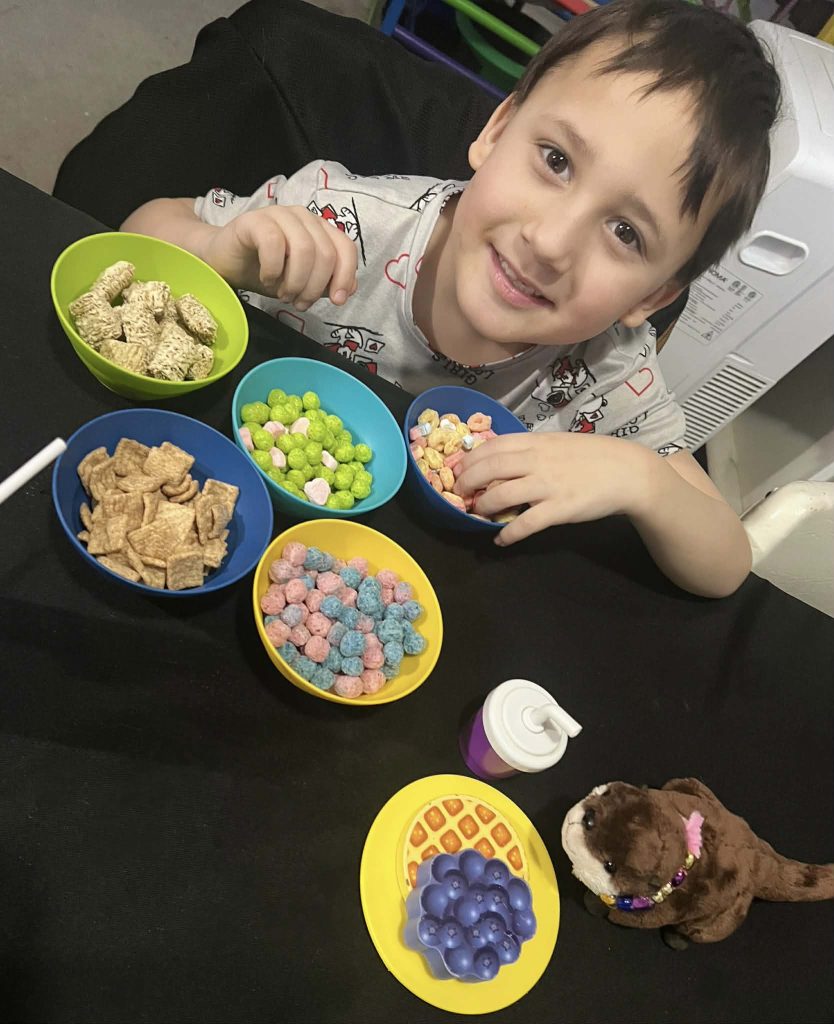
- Cereal (or other food) compare and contrast.
- Independent reading time with a basket of books.
- Draw something they learned.
- Draw an alternature book cover.
- Tell you one interesting fact later.
- Write a sentence or two in a notebook – journal prompts are perfect for this!
- Educational videos or documentaries:
- National Geographic Kids – short videos, fun quizzes and educational games (i.e. matching puzzles) aimed at a younger crowd.
- National Geographic – if you’re looking for something a little more serious, or for an older crowd, YouTube and Disney+ both feature a massive library of National Geographic documentaries.
- How it’s Made – did you grow up watching this show, too? Some videos are available free on YouTube, or you can access them via Amazon Prime if you are subscribed to the Crave channel.
- Dad, How Do I? – if you’re looking for life skills, check this one out. This collection of videos covers everyday topics like lawn care, car maintenance, finance, and even baking. Videos range from 4-30 minutes long, so you can tailor your choices based on interests and attention span.
- Audiobooks or read-aloud recordings:
- Greeking Out – Greeking Out is a fun, kid-friendly podcast that brings Greek mythology to life with engaging stories and characters.
- Brains! On Science Podcast for Kids – just like the name suggests, your science-loving kiddo will enjoy this. Bonus, each episode features a child for a guest speaker, making it more relatable!
- Wow in the World – learn about science, technology, and new discoveries happening around us.
- Educational apps or simple online learning, no-account required:
- Chrome Music Lab – makes learning music more accessible through fun, hands-on experiments.
- Google Arts and Culture Lab – an experimental hub where artists and creative technologists collaborate and develop innovative AI experiments, interactive tools, and new ways to experience cultural heritage.
On these days, “good enough” is more than enough. Screens can be a useful tool when used responsibly and I am definitely not one to avoid them on low energy days.
Energy Level 2:
Low Energy, But Present
You’re still feeling low on energy, but you can be a bit more involved.
This is a great space for simple, meaningful learning without a lot of prep.
Ideas:
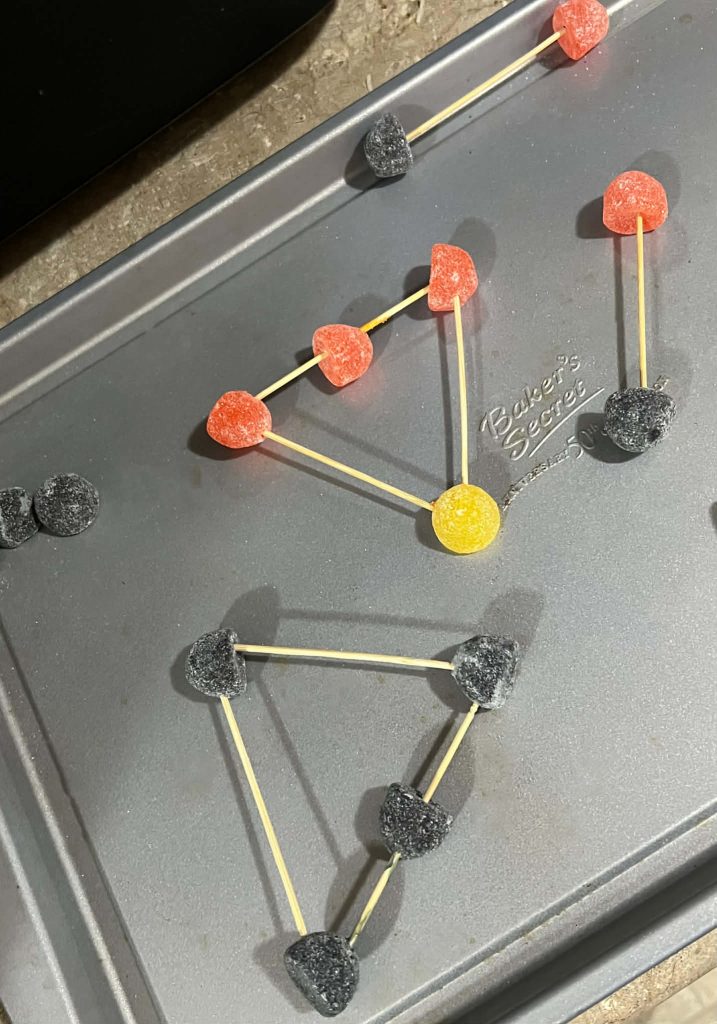
- Act out a scene from a book or history lesson.
- Read aloud together and talk about it. Or check out the Libby app to borrow library audiobooks for something even simpler!
- Watch something together and pause to discuss (Magic School Bus or Bill Nye are fun options!)
- Play board games or card games involving counting, spelling, pattern recognition etc. Need ideas for low energy games? Try Skip Bo, Uno, or Chromino.
- Try a simple recipe:
- Tasting History – this culinary and history fusion web-show recreates ancient or historical recipes and explains the history around them. You might inspire a little chef to follow one of their recipes!
- Do an easy, low-prep activity:
- Draw a scene from a book.
- Make a mini booklet.
- Build something with basic materials (Check out NASA’s STEM activities) – toothpicks and marshmallows or candies are a favourite in my house!
This is where learning can feel connected again, without being overwhelming.
Energy Level 3:
Reset Mode (Light Engagement Boost)
You’re not at full energy, but you can feel that things need a bit of a reset. These ideas don’t require a bunch of prep work or materials, just a shift in what is required.
Ideas:
- Turn review into a simple game:
- Ask questions and let them collect points, stickers, or small rewards. You can read directly from curriculum textbooks, notes, or previous assignments.
- Set a timer and see how many they can get right before time runs out.
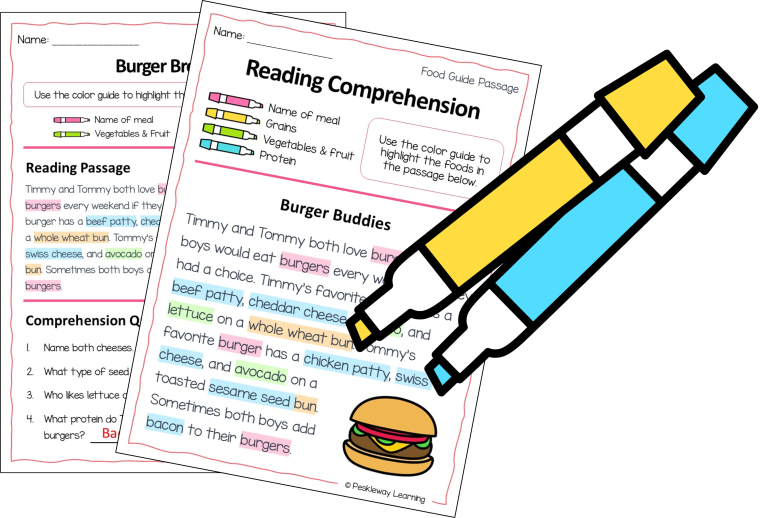
- Highlighting reading passages
- Create something quick:
- Draw and label a diagram (animal, scene, or concept you’re learning).
- Make a “show what you know” page with pictures and a few facts.
- Fold a paper into sections and write one thing learned in each box.
- Create a comic strip about a story or event.
- Change your environment:
- Learn outside (don’t forget a clipboard!)
- Try a “floor day” or picnic-style learning with blankets and snacks.
- Let your child choose a new learning spot for the day (Library? Coffee shop?)
Sometimes a small change like this is enough to completely shift the mood of your day.
A Simple Reminder
Low-energy days are not a failure. They’re part of the rhythm of homeschooling, and life in general. Some days will feel productive and exciting, others will feel like you’re just going through the motions, and both are okay. We homeschool in part so we can do things our own way, which includes resting before we burn out.
The goal isn’t to do everything.
The goal is to keep moving forward in a way that works for you and your family. Sometimes that means adjusting your expectations for the day (or week, or month) based on what your family is currently able to accomplishment. That’s not falling behind, that’s being intentional.
Save the big projects for those high energy days, and learn to love the low energy days for the nourishment they provide. Life is all about balance.