Food is not only essential for nourishment, but it can also be a powerful tool for learning. Whether you’re looking for an activity to spice up your unit studies, or a quick lesson to keep your kids busy for an hour, incorporating food can be a fun, engaging, and interactive way to teach essential concepts. These are perfect for weaving into snack or mealtimes.
The best part? These require little to no prep and use ingredients you already have on hand. Let’s dive into 6 creative ways you can use food for hands-on learning.

1. Cooking for Math: Measuring, Fractions, and Ratios
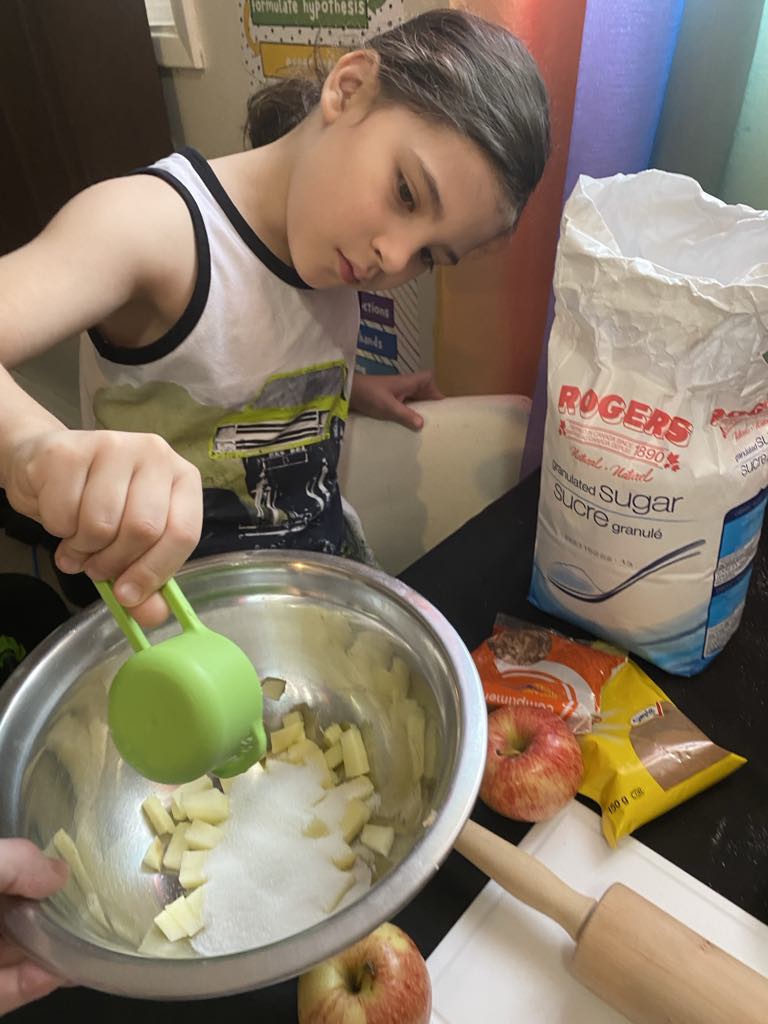
- Activity: Have your kids help you bake cookies, make a smoothie, or prepare a simple recipe. Use the opportunity to teach them about measurements (cups, teaspoons, ounces) and fractions as you double or halve the recipe. For a more independent activity, try graphing cereal or other small treats instead!
- Learning Focus: Math concepts such as addition, subtraction, multiplication, and fractions. Kids can practice converting measurements or calculating proportions while having fun in the kitchen.
- Tip: Have them use a kitchen scale to weigh ingredients and discuss concepts like weight vs. volume.

2. Edible Science Experiments: Chemical Reactions and Changes
- Activity: Use common kitchen ingredients to demonstrate science experiments. Make a baking soda and vinegar volcano, or explore the concept of osmosis by placing a peeled potato slice in saltwater. We made candy gummy worms to go along with our How to Eat Fried Worms novel study.
- Learning Focus: Basic science concepts like chemical reactions, states of matter, and plant biology. These experiments also help develop critical thinking and problem-solving skills.
- Tip: Record observations in a science journal to track what happens during the experiment.


3. Geography with Food: Learn About Countries Through Their Cuisines
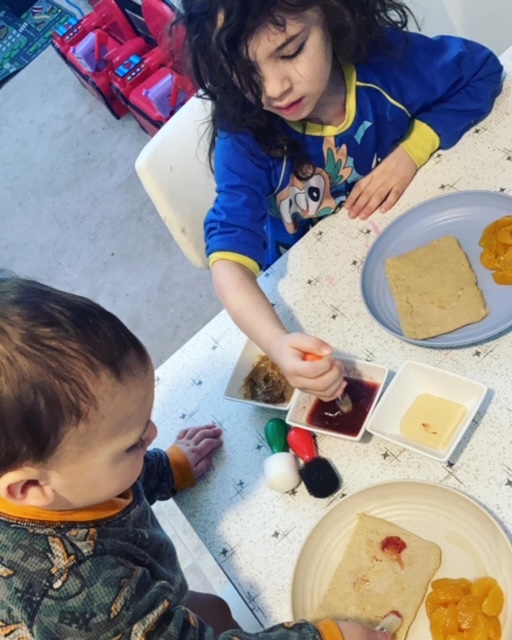
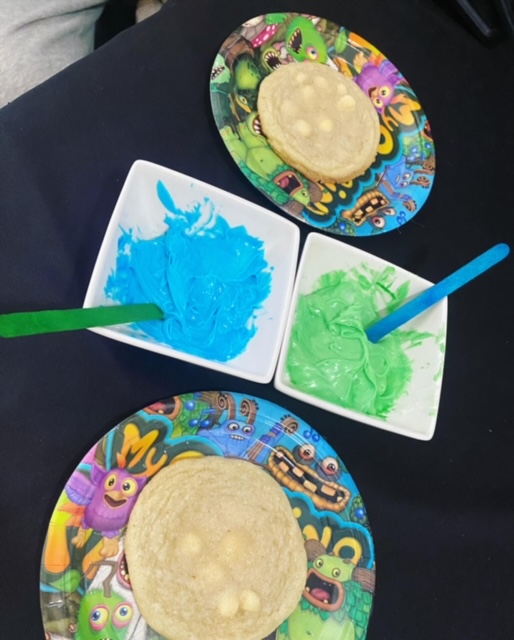
- Activity: Explore different countries by cooking a dish from their culture. For example, make tacos when studying Mexico, sushi for Japan, or pasta for Italy. You could also decorate cookies or pancakes (photos below!) to look like different country flags. As you prepare the meal, talk about the country’s geography, culture, and history.
- Learning Focus: Geography, world cultures, and language arts (writing a short report or journal entry on the country studied).
- Tip: You could even set up a “food passport” where kids collect stamps or stickers for each country’s dish they prepare.

4. Food Art: Creativity and Fine Motor Skills
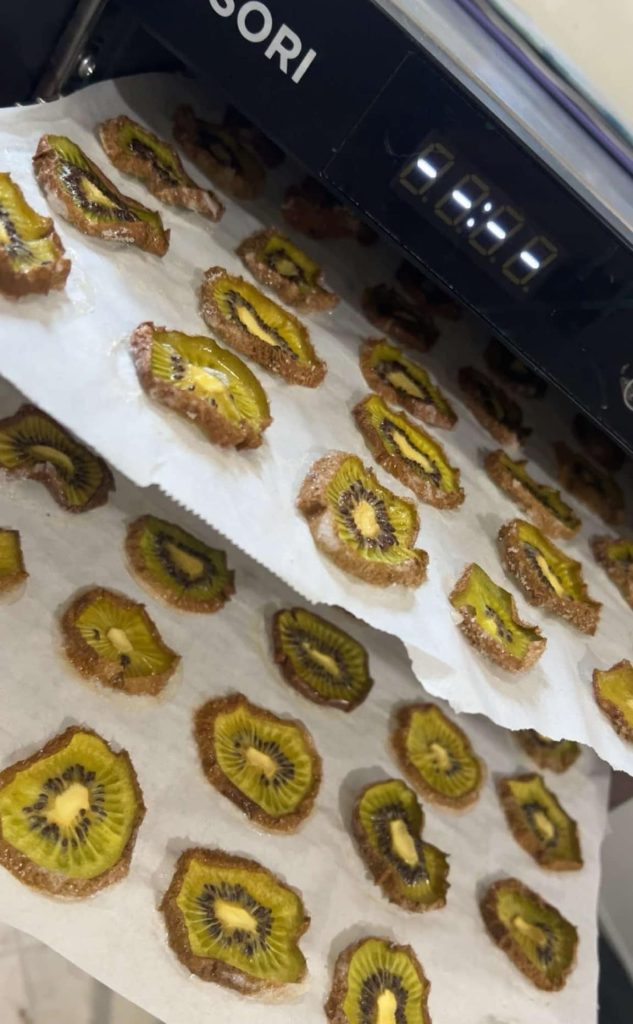
- Activity: Have children create pictures, faces, or animals using different food items like fruit, veggies, crackers, or cheese. For example, make a fruit salad that forms a smiley face or use cucumber slices and cherry tomatoes to create a flower design. I challenged my kids to make as many different kinds of fruit chips as they could think of; strawberry and kiwi were their favorites.
- Learning Focus: Fine motor skills, creativity, and even early introduction to basic concepts like symmetry, shapes, and patterns.
- Tip: Incorporate a little math by asking them to count how many pieces of each food they need for their design.

5. Food Group Sorting: Nutrition Lessons with Hands-On Learning
- Activity: Use food items to teach your kids about the different food groups. Gather a variety of foods (or pictures of foods, or play food if you have little ones) and have your children sort them into categories like fruits, vegetables, grains, proteins, and dairy. You can even make a game out of it!
- Learning Focus: Health, nutrition, categorization, and even language skills if you introduce the names of foods in different languages.
- Tip: Play a bingo-style game to make the activity interactive.
6. STEM Structures: Engineering with Edible Materials
- Activity: Using jellybeans (or marshmallows, or any seasonal candies) plus toothpicks, challenge children to build different structures. Whether it’s simple shapes like cubes and pyramids or more complex structures like bridges or towers, anything goes. Discuss the stability of their designs and explore how different shapes and sizes of structures hold up.
- Learning Focus: Basic engineering, geometry, problem-solving, and spatial awareness.
- Tip: To add a math twist, have your kids count the number of toothpicks they use or measure the height or width of their structures.


7. Food for a Cause: Social Studies Through Service
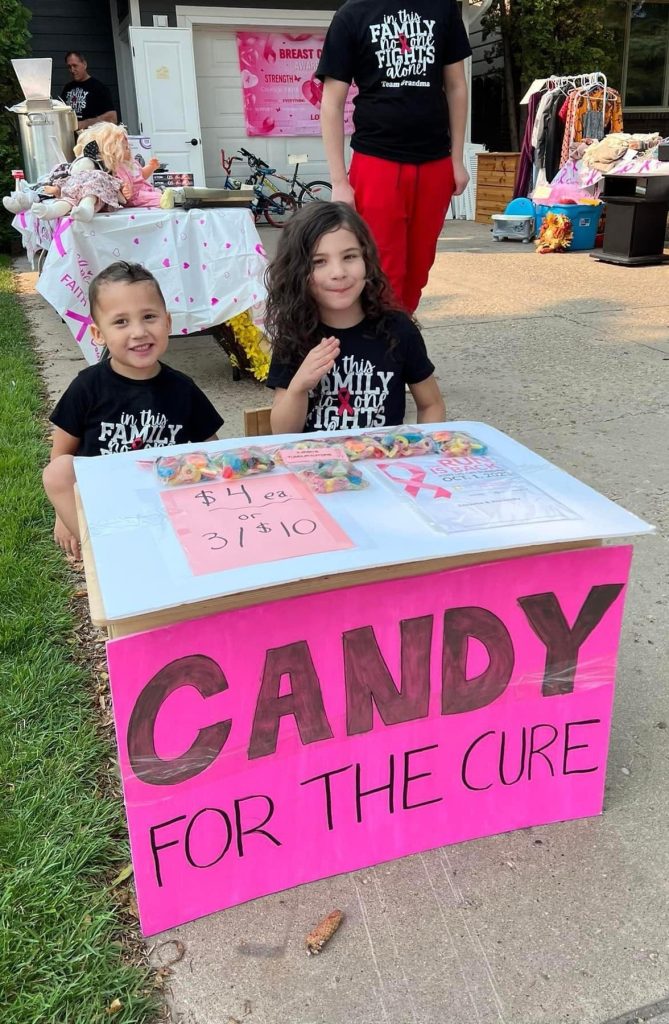
Activity: Get your kids involved in meaningful social studies lessons by connecting food to community service. They can sell candy bags to raise money for charity, or create birthday cake kits to donate to the food bank. These activities not only teach the importance of giving back but also help children learn about social responsibility and community involvement.
Learning Focus: Social studies concepts like community, charity, and the impact of helping others. Kids will also learn valuable life skills like entrepreneurship and teamwork.
Tip: Encourage children to research the cause they are supporting and discuss the real-world impact their efforts can make. You could make your own cake or taste-test the candy bags if they need a little edible incentive!


Ready to try one of these food-based activities in your homeschool?
Using food as an educational tool is a fantastic way to teach your children new concepts while also making learning enjoyable. Whether you’re measuring ingredients for a recipe, conducting science experiments with kitchen supplies, or exploring cultures through their cuisines, there’s no shortage of creative ways to incorporate food into your homeschool routine. So, next time you’re looking for an easy and engaging activity, head to the kitchen! Learning is just a snack away!
Let me know your favorite educational food project in the comments below.👇